Complimentary shipping on orders above ₹999
Our story
We print the percentages.
Herloom exists because almost every natural cosmetic names its botanical and then declines to say how much of it is in the bottle. Everything since has followed from refusing to do that.

The beginning
Pick up any shampoo that puts a plant on the front of the bottle. It will name the plant. It will very rarely tell you what percentage of the formulation that plant actually represents.
There is a reason for that. Botanical extracts are expensive relative to the surfactants and water that make up the bulk of a product, and a formulation can legally carry a botanical’s name on the front while containing a fraction of a percent of it. The industry term is “fairy dusting” — enough to justify the label, not enough to do anything.
So we print the number. Amla at 1.5%, bhringraj at 1.0%, brahmi at 1.0%, shikakai at 2.0%, rosemary at 1.5% — each with its Latin binomial, so there is no ambiguity about the species. It is not a heroic act. It simply means our claims can be checked, and that should be the floor rather than a differentiator.
Mission
To make products that survive being read closely.
Anyone can make a claim on a front label. Our test is the back one: every ingredient we list is one you could look up, source and understand. If a decision would look worse under scrutiny, we do not make it.
Vision
An Indian brand that competes globally on craft, not on price.
India has the growers, the botanical traditions and the raw material to make the best natural products in the world. What it has too rarely had is the patience to finish them properly. We would like to be part of changing that.
Craftsmanship
How the formulations are built
Two decisions that cost more than the alternative, both for reasons we can explain.
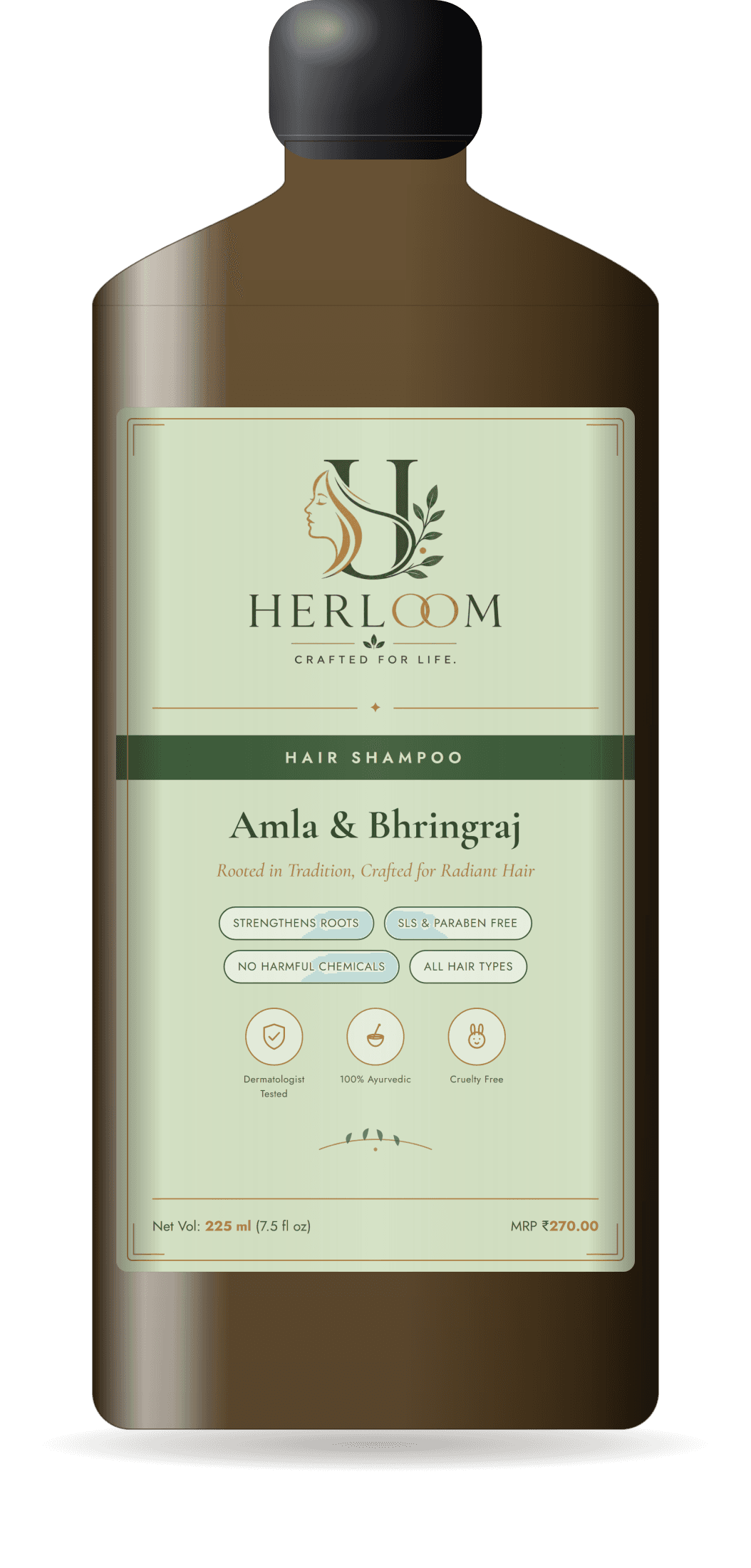
Actives at stated strength
Every botanical is listed with its Latin binomial and its percentage, printed on the pack. Extracts cost many times what a surfactant base does, which is precisely why so few brands are willing to tell you how much of theirs is in the bottle.
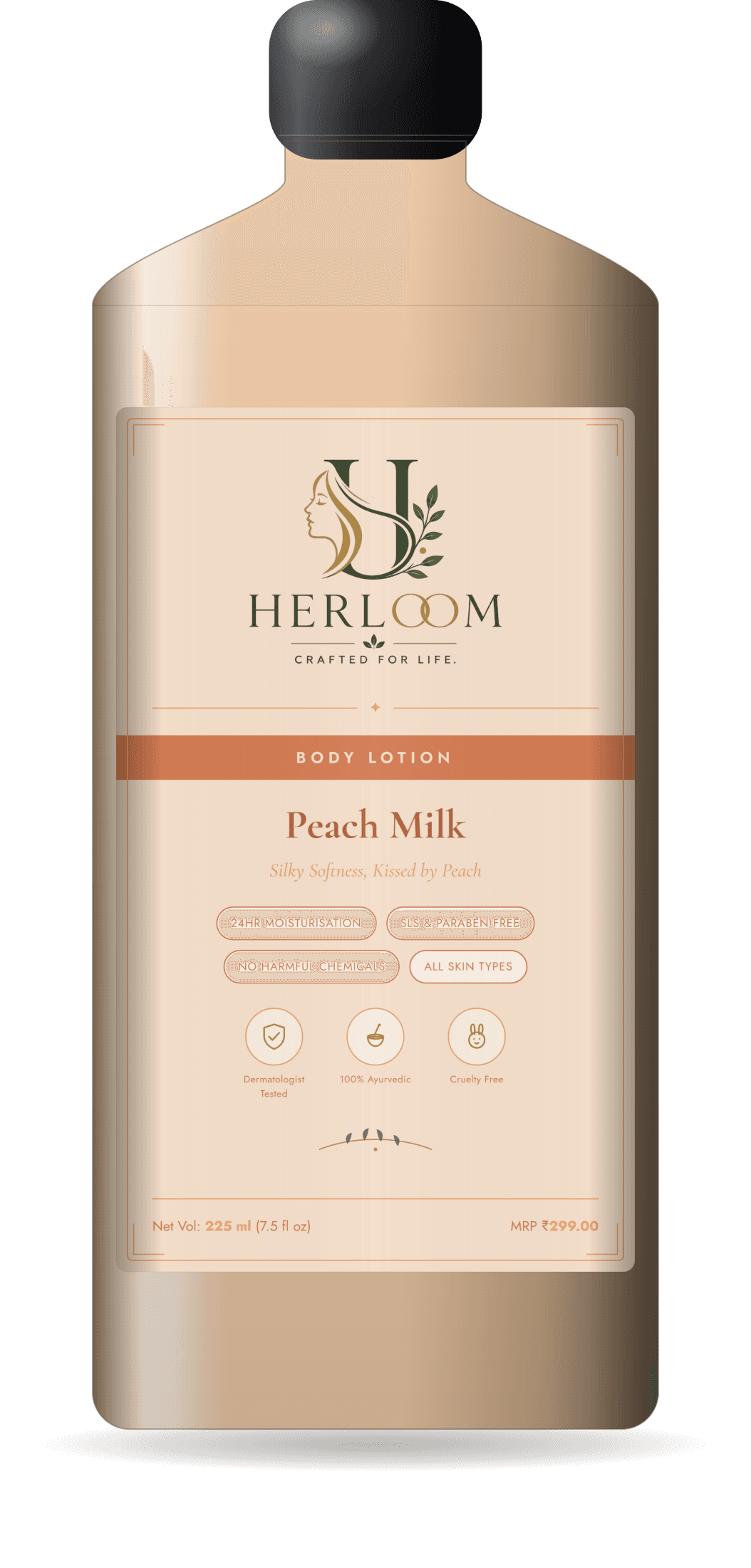
Formulated by subtraction
No SLS, no parabens, no harmful chemicals. Sulphates are cheap, foam enormously and strip the scalp of oils it produced deliberately. Working without them means accepting less lather — and a product that cleans without provoking the very problem it claims to solve.
Manufacturing
Made under Ayurvedic licence
Manufactured by KSecret Herbal Cosmetic at Abu Road, Rajasthan, under licence DL395A&U. The facility is WHO-GMP certified and GMP certified by the Department of AYUSH — the licence number is printed on every label, so it can be checked.
Actives named and dosed
Every botanical extract is named with its Latin binomial and its percentage. If it is on the front, it is in the bottle at a stated strength.
No SLS, no parabens
Cleansing without sulphates and preserving without parabens costs more and is harder to formulate. We do it on every product.
Cruelty free, always
100% vegetarian, never tested on animals. Dermatologist tested on human volunteers instead.
Certified manufacture
Made in a WHO-GMP facility, GMP certified by the Department of AYUSH, under Ayurvedic licence DL395A&U.
Standards
What “Ayurvedic” is allowed to mean

Anywhere outside India, describing a product as Ayurvedic carries roughly the regulatory weight of describing it as artisanal. It is an atmosphere, not a standard.
Within India it is a licence. Manufacturing an Ayurvedic formulation requires approval from the Ministry of AYUSH, a licence number tied to a specific facility, and adherence to Good Manufacturing Practice as the department defines it — covering premises, equipment, water quality, testing and record-keeping.
None of that tells you whether a formulation works. It tells you that someone independent has verified how it was made, which is a different and rather more checkable claim. Ours are cruelty free and 100% vegetarian, dermatologist tested, and free from SLS and parabens throughout.
Timeline
Where we have got to
2024
The first formulations
Herloom begins with a simple question: why does almost every 'natural' shampoo hide how much of the herb is actually in it?
2025
Licensed and certified
Ayurvedic manufacturing licence secured and production established in a WHO-GMP facility certified by the Department of AYUSH.
2026
Six products, two lines
Three shampoos and three body lotions launch — every active named, dosed and printed on the front of the pack.
Next
The nutrition range
The same standard applied to what goes in rather than on. In development now.
“We are not trying to be the cheapest thing on the shelf, or the fastest to market. We would simply like to make something our grandchildren would still be happy to put their name on.”
The founders · Dharwad
Shop the collection